Clowndoctors in Hospitals
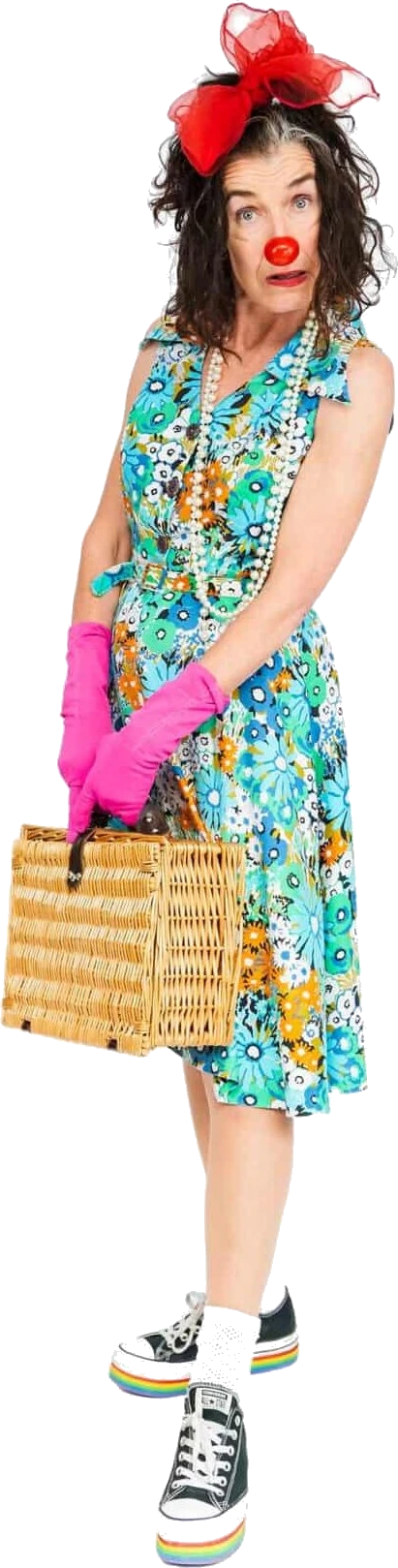
Our Clowndoctors belong in children’s hospitals, children’s wards and children’s hospices, and they love to visit children who are going to be spending time there. Luckily, they visit these places quite a lot!
The Clowndoctors have been visiting Royal Hospital for Children and Young People (Edinburgh), Royal Hospital for Children (Glasgow), Rachel House and Robin House (both through CHAS) and Ninewell’s Hospital in Dundee for over 20 years.

When children are in hospital, they can often feel powerless, anxious, isolated or bored and our Clowndoctors aim to overcome those feelings by providing lots of unexpected humour and fun.
We also want the parents’ and families’ experiences to be less stressful too, so, whenever appropriate, we involve mums and dads, brothers and sisters, and other visitors too. A roomful of laughing children, mums, dads, brothers, sisters and friends is great medicine for everyone. And laughter has lasting effects on mood, resilience and self-esteem.
The Clowndoctors also visit children and young people at Rachel House and Robin House, run by Children’s Hospices Across Scotland (CHAS). They are wonderful environments to play in where there is more space and time to allow for in-depth interactions. The Clowndoctors have developed many lasting long-term relationships with the children and young people.
“What sets the Clowndoctors apart is the deep responsiveness to each child’s emotional state. This isn’t distraction—it’s emotional attunement.” — Dr Denise Milne, Evaluation Report, Glasgow Children’s Hospital (2023)
The Clowndoctors have made lots of friends in hospitals and hospices. Some of these children are now grown-ups with children of their own, and they, very nicely, still send us messages about how our visits made them feel better when they were in hospital.
If you have a visit from the Clowndoctors, we hope you will remember it for a long time too. If you have taken your own pictures or videos, please share them. We love to see it all. You can tag @heartsminds on social media, and you can upload them to our website HERE too!
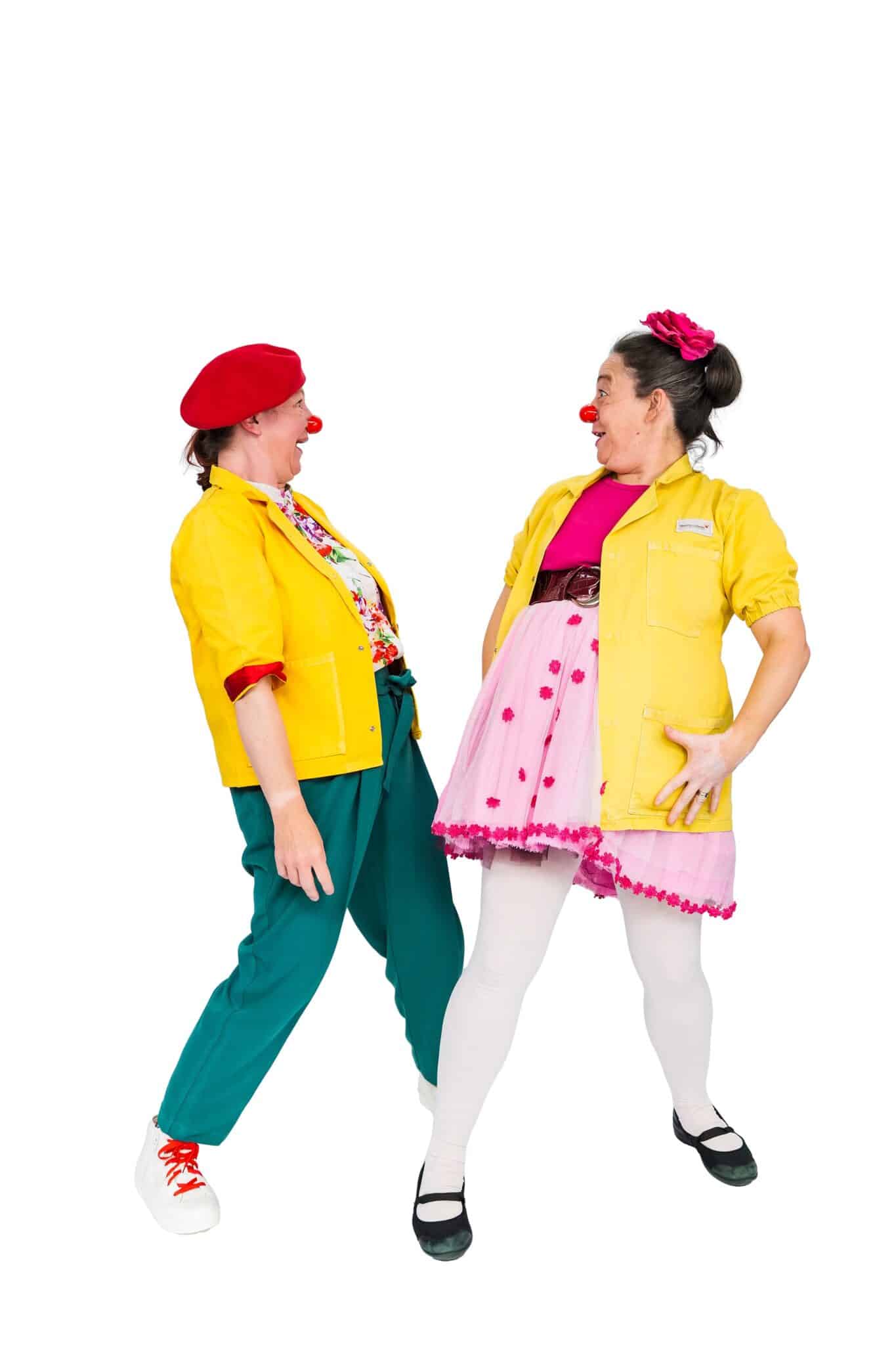

This is how it works
When our Clowndoctors arrive at a hospital, the staff will let us know which children to see that day, and there might be lots of reasons why they have picked those children. We work closely with the staff, and they know which kids will get a big lift and a boost from our visits. They let us know a little bit about each child, their abilities, their needs and maybe what they like or don’t like, so that the Clowndoctors can create a unique visit.
For example, our Clowndoctors might use slapstick (staff told them the child is feeling shy, so the two Clowndoctors are trying to come through the door really quietly), or they might do their dog impressions (staff told them the child loves dogs, and the Clowndoctors want to show off their impressions, but keep doing other animals by accident) or they might pretend the room is under the sea (staff told them the child loves swimming – watch out for sharks!) or they decide to clean the windows, which ends in a slapstick fight as to which Clowndoctor can clean it the best (staff told them they can’t go in the child’s room due to infection control, so it’s a visit through the window, transforming the view into the corridor).
Each visit is ‘made to measure’ and improvised, and each visit is focussed on the child and their needs, bringing humour, sensitivity, and positivity to the room.
“You made my day today. My head hurts from laughing” — Dad of 15 year old girl in for a day of visual telemetry
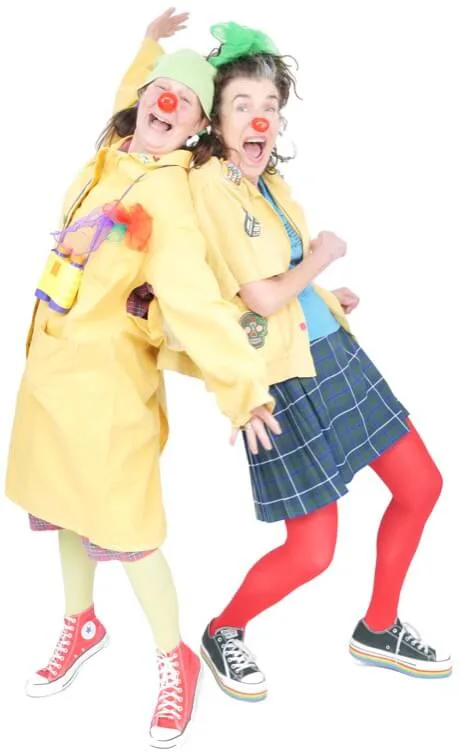

“I can’t praise the Clowndoctors enough. They enhance what we’re trying to do… They interact with children who won’t interact with us… even after they’ve gone, the children are happy, and we enjoy a much better relationship with them.” — Alison Armstrong, Senior Nurse, Glasgow Children’s Hospital



Thanks to the organisations who support our work